The Preclinical Herbal Medicine Programme
Build the scientific foundation you need before entering clinical herbal medicine training.
What is the preclinical Programme-Introduction to herbal Medicine?
A preclinical programme in herbal medicine provides a strong grounding in the biomedical and plant sciences that underpin safe and effective clinical practice. It introduces students to human anatomy and physiology, biochemistry and nutrition, botany and plant sciences, pharmacology, enabling them to understand the structure and function of the body, the properties of medicinal plants, and the principles of therapeutic action and safety.
Who this programme is for
The Preclinical Programme is designed for graduates without a science background, giving you the scientific and clinical foundations needed to progress into professional training with confidence.
Why this is the right starting point for someone without a science background
The preclinical herbal medicine programme builds core biomedical and plant sciences knowledge so students can understand the human body, plant biology, and how herbal constituents act as medicines.
No science background needed
The programme starts from the foundations and builds up
Self-paced online learning
Study through a flexible online program and at your own pace that supports learning alongside your current professional life.
Learn from experienced practitioners
Study with faculty who combine academic expertise, clinical experience, and practical insight.
Minimum 70% to progress
This programme gives you the academic rigour from the start & prepares you for clinical training
A structured route into accredited training
The Preclinical Programme is ICTIM's preparatory programme for students without a science background. On successful completion, students progress into the Higher Diploma in Clinical Integrative Medicine — accredited by the Irish Institute of Medical Herbalists (IIMH).

This course is well suited to self-directed learners. Rosari and Anna-Maria complement each other well as teachers. Both have a deep knowledge of herbalism and human body systems, and their combined expertise makes the material both accessible and insightful.
Course Overview
The Preclinical Programme is designed to give students without a science background the foundational knowledge they need to enter professional herbal medicine training with confidence.
Teaching covers the core biomedical and plant sciences that underpin safe and effective clinical practice — including human anatomy and physiology, biochemistry and nutrition, botany and plant sciences and pharmacology. Students develop an understanding of how the body works, how medicinal plants are studied and used, and how herbal constituents act therapeutically.
This programme also introduces Irish ethnobotany and traditional herbal medicine, situating medicinal plants within both their ecosystems and their cultural context. Students are not simply learning facts — they are building a framework for understanding how and why herbal medicine works, which prepares them to engage meaningfully with clinical training when they progress.
Course Structure
The programme is structured around four subject areas that together build the scientific and clinical foundations needed for professional herbal medicine training.
Course Curriculum
Before you can work with patients, you need to understand the science behind the practice. The Preclinical Programme covers four foundational subject areas, giving you the knowledge and confidence to progress into the clinical programme.
ANATOMY & PHYSIOLOGY
Study of the normal structure and function of the human body from cellular level to organ systems (cardiovascular, respiratory, digestive, nervous, endocrine, etc.).The aim is to provide the framework for understanding pathology, mechanisms of disease, and targets of herbal interventions.
BIOCHEMISTRY & NUTRITION
Core biochemistry on biomolecules, enzymes, and metabolism of carbohydrates, lipids, and proteins, linking these pathways to energy production and homeostasis.
The aim is to understand the principles of a healthy diet, nutrient functions, and the role of food and herbs in health maintenance and disease prevention.
BOTANY & PLANT SCIENCES
This module includes plant anatomy, morphology, taxonomy, and plant physiology relevant to medicinal species. It also covers plant constituents and their production.
There is an emphasis on plant identification, ecology, including Irish traditional herbal medicine/ethnobotany to situate medicinal herbs within their ecosystems and traditional use.
PHARMACOLOGY
How drugs and herbal compounds work in the body
Many medicines and plant molecules work like keys fitting into locks on our cells, turning certain processes on or off. Understanding this helps explain why one herb calms the nervous system while another stimulates digestion, and why the same remedy can help one symptom but not another.
How much you give and how strong the effect is
This is about the link between the amount taken and what happens — from no effect, to a helpful effect, to possible side effects. In practice, this underpins dosing: how to start low, increase carefully, and avoid giving too much.
What the body does to medicines and herbal compounds over time
This covers how a substance is absorbed, where it travels in the body, how the liver and other organs change it, and how it is finally eliminated. In practice, this explains why you choose certain forms (tea, tincture, capsule), how often they need to be taken, and why some remedies last longer in the system than others.
How drugs and herbal constituents create their effects
This explores how specific plant or drug molecules change body processes — for example, by relaxing smooth muscle, reducing inflammation, or influencing neurotransmitters. Clinically, this helps match the right herb or drug to the right person and condition, and anticipate both benefits and risks.
Herbs, active compounds, and safety
This section introduces pharmacognosy and phytochemistry — the study of medicinal plants and their active chemical components — alongside herb–drug interactions, safety considerations, and evidence-based therapeutic use.
On completing the Preclinical Programme, students progress to the Higher Diploma in Clinical Integrative Medicine
ICTIM offers a thorough, robust 3-pronged approach to Herbal studies - encompassing science, including an in-depth grounding in the biological systems - and delves deeply into herbs themselves and herbal learning. But the course also considers Irish folklore and Irish traditional indigenous herbal medicine. Anyone wishing to develop a greater knowledge of herbal medicine or interested in practicing should consider this course.
Rosari and Anna-Maria's monthly webinars are inspiring, I am in awe of their love for all things herbal, their knowledge and empathy to students.
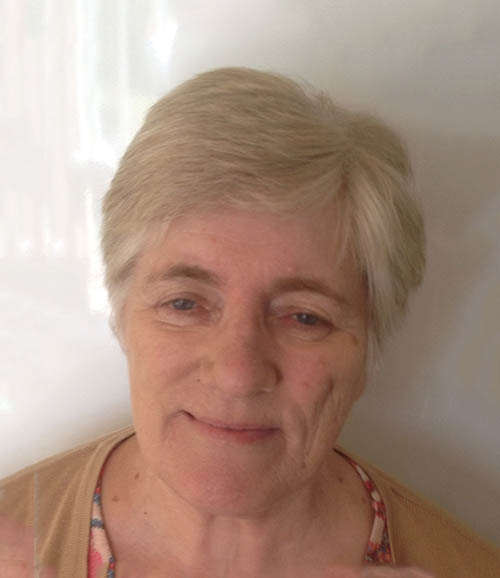
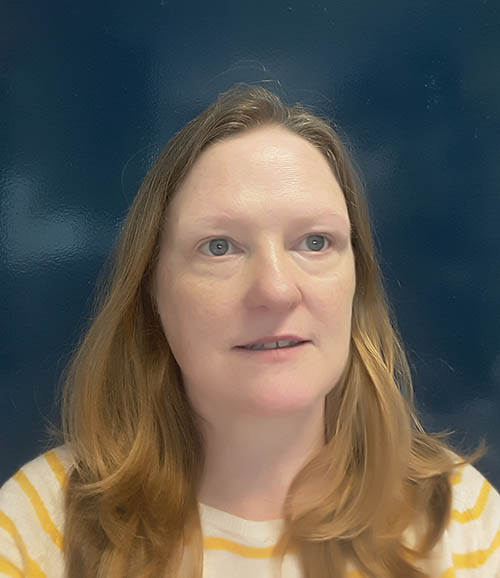
Meet your instructors
Entry Requirements
Before you begin your application, please review the requirements below. Applicants should have:
How To Apply
Everything You Need to Know
Answers to help you choose the right program for your situation
Take the First Step Toward Clinical Herbal Medicine
Whether you are exploring a new direction or building toward professional practice, the Preclinical Programme gives you the structure and support to move forward with confidence.