Higher Diploma in Clinical Integrative Medicine
Train within traditional medical systems and learn how to integrate them with modern biomedical practice through structured clinical education in herbal and integrative medicine.
Designed for healthcare professionals and science graduates seeking rigorous, clinically grounded training.

What is a Higher Diploma in Clinical Integrative Medicine?
The Higher Diploma in Clinical Integrative Medicine is a structured clinical training programme for healthcare professionals and science graduates who want to expand their understanding of health through both traditional and biomedical frameworks.
Students are trained in herbal and integrative medicine as a distinct clinical approach, while learning how to integrate this work responsibly alongside modern healthcare. The programme combines scientific understanding, traditional medical systems, and clinically relevant practice to prepare students for meaningful professional application.
Who this programme is for
This diploma is designed for applicants who already have a foundation in science or healthcare and want to build deeper clinical expertise in herbal and integrative medicine.
Ideal for:
- Healthcare professionals seeking a broader clinical framework
- Science graduates exploring a new professional pathway
- Practitioners who want to integrate traditional and biomedical perspectives
- Applicants seeking structured, academically rigorous herbal medicine training
Train within two medical frameworks
Develop a grounded understanding of traditional medical systems while learning how they integrate with biomedical practice.
Designed for working professionals
Study through a flexible online and blended format that supports learning alongside your current professional life.
Learn from experienced practitioners
Study with faculty who combine academic expertise, clinical experience, and practical insight.
Graduate with IIMH membership eligibility
Recognised professional credential for medical herbalists in Ireland and the professional body for Garda clearance.
A Professionally Recognised Programme
This Higher Diploma has been developed by ICTIM as part of its structured clinical training pathway in herbal and integrative medicine. The programme is accredited by the Irish Institute of Medical Herbalists (IIMH), supporting progression toward professional recognition.

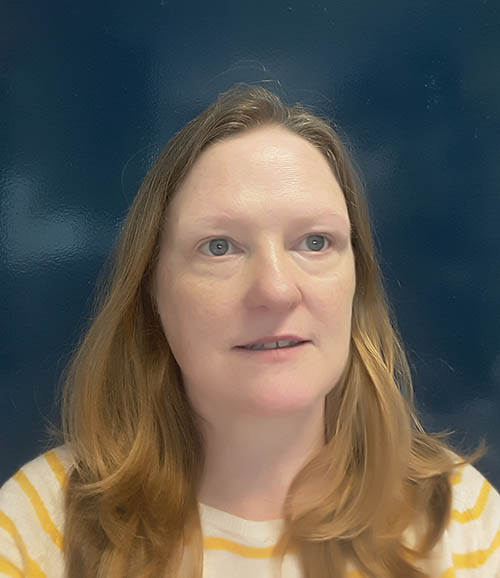
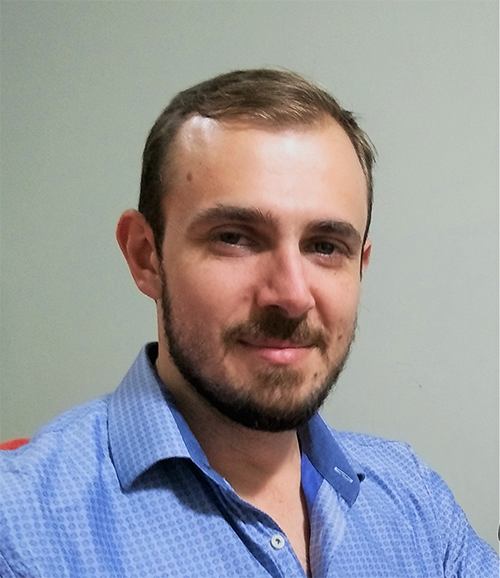
This course is well suited to self-directed learners. Rosari and Anna-Maria complement each other well as teachers. Both have a deep knowledge of herbalism and human body systems, and their combined expertise makes the material both accessible and insightful.
Course Overview
This programme is designed so that ICTIM graduates can work with both traditional and modern biomedical understandings of health. Teaching is primarily focused on the use of plants as therapy, informed by both contemporary research and traditional knowledge.
Students engage with traditional medical systems not only as historical sources of knowledge, but as distinct frameworks for understanding health, diagnosis, and treatment. This includes the study of traditional manuscripts, indigenous knowledge, and the role of constitution, diet, ritual, spirituality, and lifestyle in healing.
To participate successfully in the clinical training component, students must achieve a pass mark of 75% in each assignment. Depending on background, study pace, and module requirements, students should expect to commit approximately 8-15 hours per week.
Potential Career Opportunities for you
This course will prepare you to confidently start practising Clinical Integrative Medicine in your practice and in your community.

Healthcare Professional
Expand your existing role by incorporating herbal and integrative approaches into patient care.
Integrative Healthcare Practitioner
Combine conventional healthcare knowledge with traditional and herbal therapies in clinical practice.
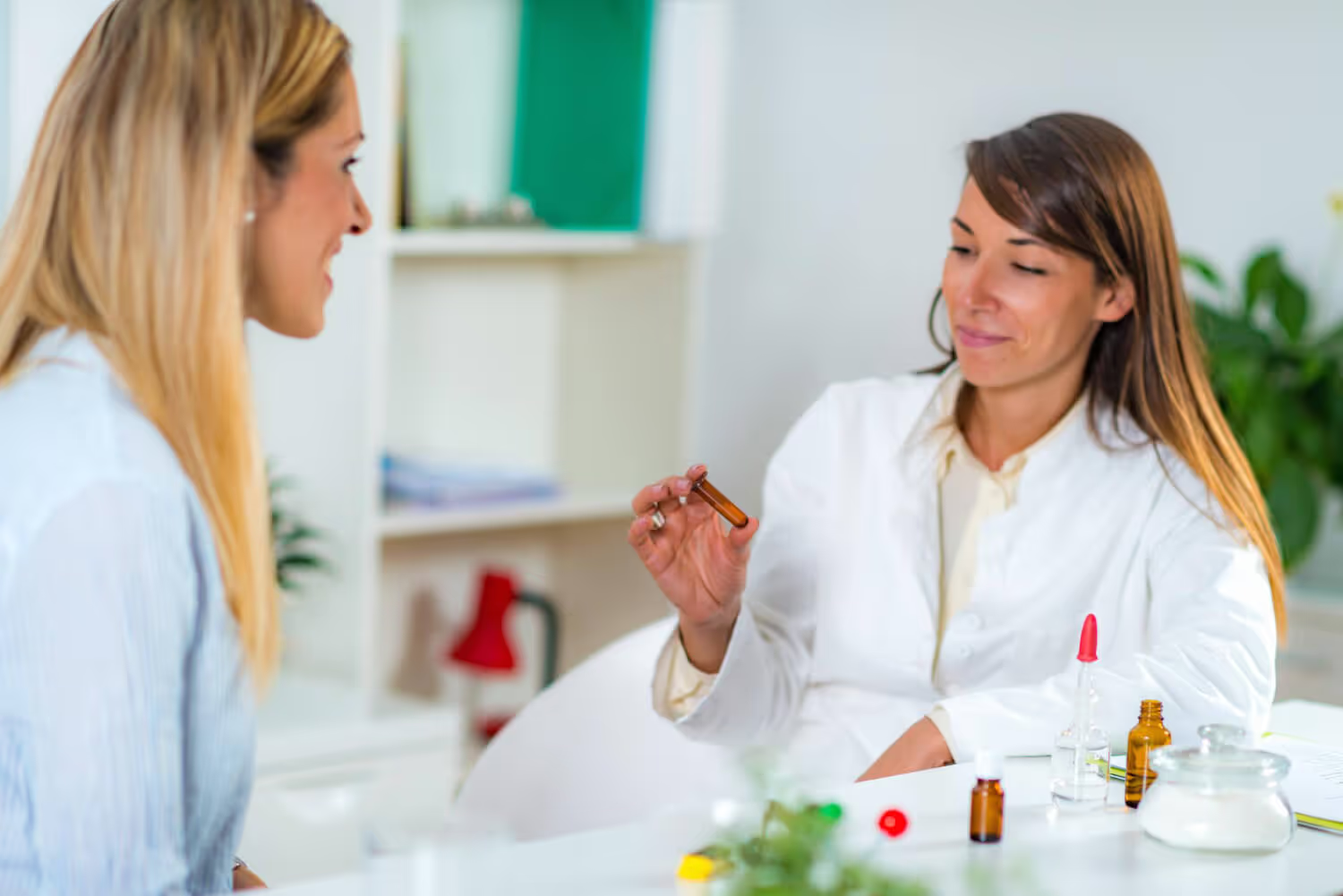
Clinical Medical Herbalist
Work directly with patients using herbal medicine to support a wide range of health conditions.

Private Practice Owner
Build and run your own clinic offering herbal and integrative healthcare services.

Health Educator
Teach herbal medicine, lead workshops, or support learning in integrative healthcare.
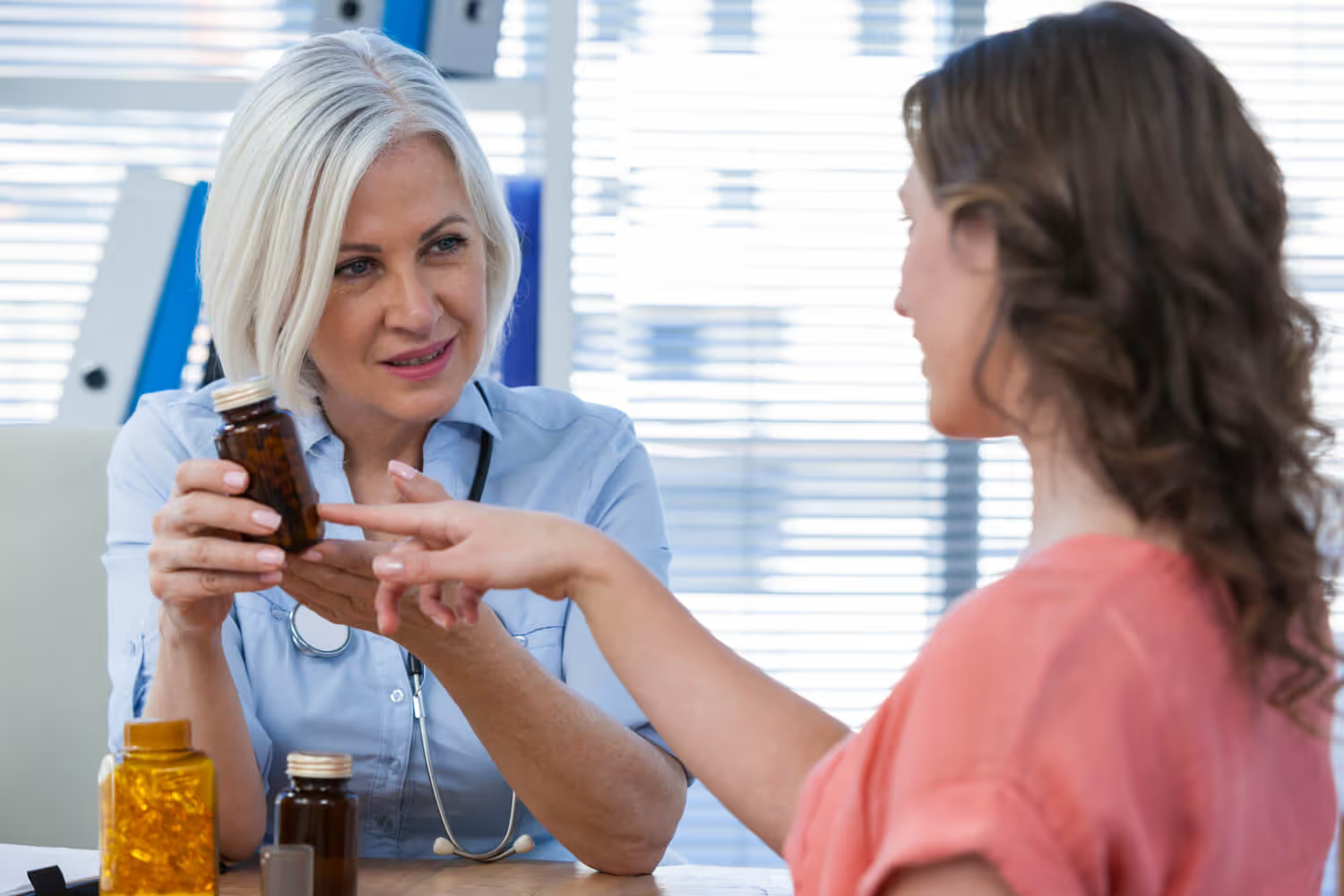
Herbal Consultant
Work with herbal products, formulations, or advisory roles within the health industry.
I would highly recommend this course for anyone with an interest in a holistic approach to medicine. The course is well structured with a focus on practical applications. As a medical research scientist by trade, I chose this course in particular owing to two factors :
1. the material is often backed by research verified information and
2. the lecturers are practitioners with real life experience.The course itself is provided in a flexible online learning approach which works perfectly for me.
I have a young family and a full time job and I find that the lecturers have been very approachable and flexible all the way through the course.I really enjoy this course and I really feel like I will be well prepared to take up a career in this field.
Course Structure
Even though this diploma is structured around biomedicine and western herbal medicine, it also draws from other traditions where appropriate. Students will benefit by having a wide range of modules and electives as well as continuous support, including tutorials, assessments, and feedback.
Course Curriculum
Even though this diploma is structured around biomedicine and western herbal medicine, it also draws from other cultures where appropriate.
PREPARATORY MODULE (4 Credits)
Your training commences with an in-depth exploration of the effect of culture on our perception of medicine and will briefly cover the main medical systems in the world such as Chinese, Ayurveda and Unani. Indigenous medicine will be also be examined, especially in relation to Ireland. This is highly significant in clinical practice as our worldview determines the functional choices we make regarding our health and the therapies we seek to alleviate any health issues.
Self-study, online material, and instructor-led webinars are the pedagogical methods for this preparatory module.
CLINICAL TRAINING MODULE (48 Credits)
As this is a graduate programme, at an advanced level, teaching is based on case studies that are focused on understanding the reasons why a particular approach is undertaken in the evaluation of a patient's presenting condition. It concentrates on ensuring that you understand the many facets of herbal therapeutics and the rationale underlying them. Material relating to biology, plant science, disease processes, pathophysiology, materia medica, therapeutics, nutrition, biochemistry, pharmacy, and pharmacognosy will be incorporated into each case study where it is relevant.
As a student, you will be expected to demonstrate that you can use your knowledge, not just learn from facts. Knowledge may be assessed through MCQs but knowing how to use the knowledge is more accurately assessed through oral assessments and essay assignments. Tutorials will not be in lecture format but will, instead, involve a case study and the relevant case history. This is precisely the situation you will meet when you qualify, so this method, though difficult to begin with, will help build your confidence, expertise, knowledge, and professionalism.
Each module comprises a webinar, self-study, online tutorial, and assignment. Each section takes approximately eight weeks but may be adjusted depending on holidays and other circumstances.
CORE SUBJECTS (21 Credits)
- Musculoskeletal
- Integumentary
- Gastrointestinal
- Respiratory
- Cardiovascular
- Genito and urinary
- Gynecological
COMMUNICATION SYSTEMS (15 Credits)
- Endocrine
- Immune
- Nervous
SPECIALIST SYSTEMS (12 Credits)
- Geriatric
- Paediatric
- Psychiatric
- Oncology
CLINICAL PRACTICE MODULE (68 Credits)
PERSONAL PROFESSIONAL DEVELOPMENT AND ETHICS (3 Credits)
Each student is required to develop both personally and professionally throughout their clinical training. It is this development that forms the cornerstone of a successful and financially rewarding career. This maturity does not come automatically but requires self-evaluation, reflection, discussion, advice, and encouragement. A reflective journal wherein students reflect on their progress as practitioners and their experience in training is required throughout the programme. A personal mentor is assigned to each student to help them understand this process of reflection and evaluation. This will entail formal contact, assignments, and discussion in relation to the role and professional career of a traditional and integrative practitioner using plant medicine as their primary therapeutic choice. You will also be required to develop and maintain your own ePortfolio where your insights, reflections, grades, and anything else you consider pertinent and relevant to your ongoing knowledge and professionalism will be collated. This ePortfolio will be assessed as part of your final exams.
CLINICAL SKILLS: GMP from Field to Bottle (5 Credits)
There will be compulsory clinical skills, GMP(Good Manufacturing Practices), and dispensary seminars held as part of your training.
RESEARCH (10 Credits)
It is absolutely necessary for graduates of this programme to be able to discuss developments in health care with their colleagues in conventional medicine. It is also vital to understand the paradigm within which modern biochemical medicine works. It is also a fundamental requirement to be aware of the strengths and weaknesses of plant-based medicine. Each of these aspects of practice requires an understanding of research. Therefore, before you are permitted to graduate, you will be required to undertake a body of research that is of publication standard (peer-reviewed).
CLINICAL PLACEMENT (50 Credits)
As herbalists come from very many different traditions, ICTIM considers it important that you have the freedom to undertake your placement in a clinic of your choice. Typically, 10 euros per hour is paid directly to the practice where you are undertaking your placement. You will be given a list of requirements before you start, clarifying what competencies you will need to have acquired during your placement to ensure a successful outcome in your Clinical Viva. Workshops on clinical examination skills are organized on a regular basis by ICTIM and count towards clinical placement hours.
FINAL EXAMINATION
Your final viva examination will take place before a panel of health professionals. It will also include an OSCE (Objective Structured Clinical Examination) as well as any other examinations the examining board deem necessary.
ICTIM offers a thorough, robust 3-pronged approach to Herbal studies - encompassing science, including an in-depth grounding in the biological systems - and delves deeply into herbs themselves and herbal learning. But the course also considers Irish folklore and Irish traditional indigenous herbal medicine. Anyone wishing to develop a greater knowledge of herbal medicine or interested in practicing should consider this course.
Rosari and Anna-Maria's monthly webinars are inspiring, I am in awe of their love for all things herbal, their knowledge and empathy to students.
Meet your instructors
Entry Requirements
Before you begin your application, please review the requirements below. Applicants should have:
How To Apply
Everything You Need to Know
Answers to help you choose the right program for your situation
Build a Career in Integrative Medicine
Whether you are expanding your current role or moving toward a new professional direction, this programme provides the structure, training, and support to help you move forward with confidence.
Not from a science background?
Start with the Preclinical Programme to build the scientific foundation you need before progressing into clinical herbal medicine training.